

A Versatile Diesel Powerhouse
When discussing reliable marine engines, the Caterpillar 3208 (CAT 3208) often comes to the forefront. This diesel engine, known for its versatility and rugged construction, has become a staple in the marine industry, powering a wide range of vessels from fishing boats to commercial workboats. In this article, we’ll dive into the specifics of the Caterpillar 3208, covering its horsepower options, the differences between naturally aspirated and turbocharged variants, and the ease of sourcing parts for this workhorse of an engine.
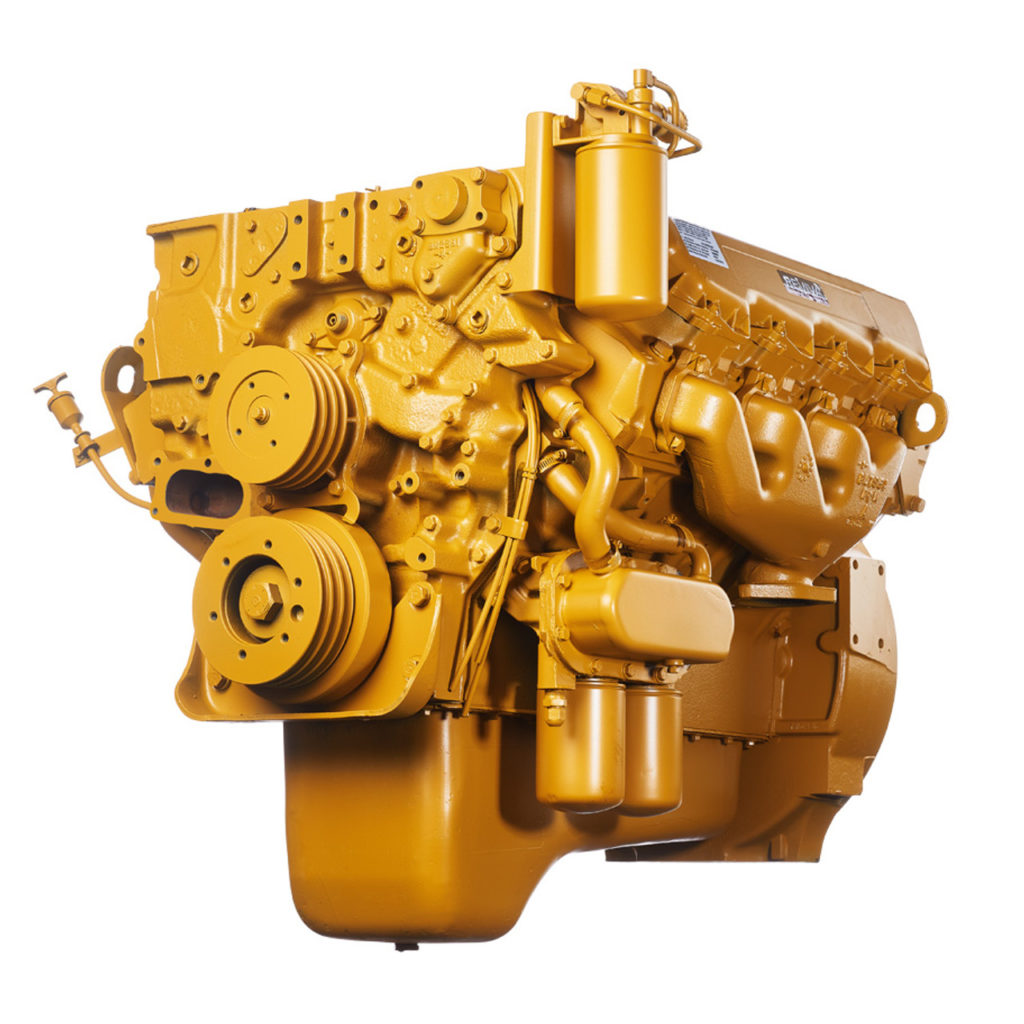
The Caterpillar 3208 was introduced in the 1970s and quickly gained popularity due to its compact design and robust performance. This V8 engine was originally developed for use in trucks and heavy machinery but found its niche in the marine sector, where reliability and power are paramount.
Understanding the 3208 Variants
Every Caterpillar 3208 marine engine shares the same fundamental architecture: a V8 block, 10.4 liters of displacement, 114.3mm bore, 127mm stroke, mechanical direct injection, and a cast-iron deep-skirt parent bore block. What changes across the variants is aspiration (how air is delivered to the combustion chambers), and that single difference accounts for the wide HP range buyers encounter when comparing boats.
- Naturally Aspirated Models: The naturally aspirated (non-turbocharged) versions of the Caterpillar 3208 deliver horsepower ratings ranging from 210 HP to 250 HP. These engines are ideal for applications where moderate power is sufficient, such as small fishing boats or pleasure crafts. The absence of a turbocharger in these models means fewer moving parts, translating to lower maintenance needs and increased longevity.
- Turbocharged Models: For vessels requiring more power, the turbocharged versions of the Caterpillar 3208 are the go-to choice. With horsepower ratings ranging from 300 to 435, these engines are perfect for larger vessels or those that need to cover longer distances at higher speeds. The turbocharger increases the engine’s efficiency by forcing more air into the combustion chamber, resulting in more power without a significant increase in engine size.
- Turbocharged-Aftercooled Models: The turbocharged and aftercooled version (3208TA) takes that further by cooling the compressed charge air before it enters the engine, increasing air density and allowing more fuel to be burned efficiently — pushing output to 375 to 435 HP.
All three share the same block, the same parts catalog, and the same basic service procedures. The higher the output, the more heat the engine manages and the more critical cooling system maintenance becomes.
| Specification | 3208 NA (Naturally Aspirated) | 3208T (Turbocharged) | 3208TA (Turbocharged-Aftercooled) |
|---|---|---|---|
| Configuration | V8, 4-stroke diesel | V8, 4-stroke diesel | V8, 4-stroke diesel |
| Displacement | 10.4 L (636 cu in) | 10.4 L (636 cu in) | 10.4 L (636 cu in) |
| Bore x Stroke | 114.3 mm x 127 mm (4.50 x 5.00 in) | 114.3 mm x 127 mm (4.50 x 5.00 in) | 114.3 mm x 127 mm (4.50 x 5.00 in) |
| Marine HP Range | 210 to 250 HP | 300 to 375 HP | 375 to 435 HP |
| Rated RPM | 2,800 RPM | 2,800 RPM | 2,800 RPM |
| Aspiration | Naturally aspirated | Turbocharged | Turbocharged and aftercooled (intercooled) |
| Fuel System | Mechanical direct injection | Mechanical direct injection | Mechanical direct injection |
| Compression Ratio | 16.0:1 | 16.0:1 | 16.0:1 |
| Oil Capacity | 12.0 L (3.2 gal) | 15.0 L (4.0 gal) | 15.0 L (4.0 gal) |
| Cooling | Freshwater with heat exchanger | Freshwater with heat exchanger | Freshwater with heat exchanger; additional charge air cooler |
| Firing Order | 1-2-7-3-4-5-6-8 | 1-2-7-3-4-5-6-8 | 1-2-7-3-4-5-6-8 |
| Rotation (from flywheel) | Counterclockwise | Counterclockwise | Counterclockwise |
| Typical Marine Application | Displacement trawlers, workboats, single-engine cruisers | Express cruisers, sportfishers, twin-engine cruisers 30 to 40 ft | Larger twin-engine cruisers and sportfishers, higher-speed applications |
| Production Years | Late 1970s to early 1990s | Late 1970s to early 1990s | Late 1970s to early 1990s |
Naturally Aspirated vs. Turbocharged: Key Differences
When choosing between naturally aspirated and turbocharged options, it’s essential to consider the specific needs of your vessel.
- Performance: Turbocharged engines offer superior performance, particularly in applications where speed and power are critical. However, they also come with more complexity and slightly higher maintenance requirements due to the additional components involved.
- Fuel Efficiency: While turbocharged engines are more powerful, they can also be more fuel-efficient at higher loads. The naturally aspirated variants are simpler and may offer better fuel economy at lower speeds and lighter loads.
- Maintenance: Naturally aspirated engines, with their simpler design, generally require less maintenance than their turbocharged counterparts. However, modern turbocharged models are built with durability in mind and can be incredibly reliable when properly maintained.
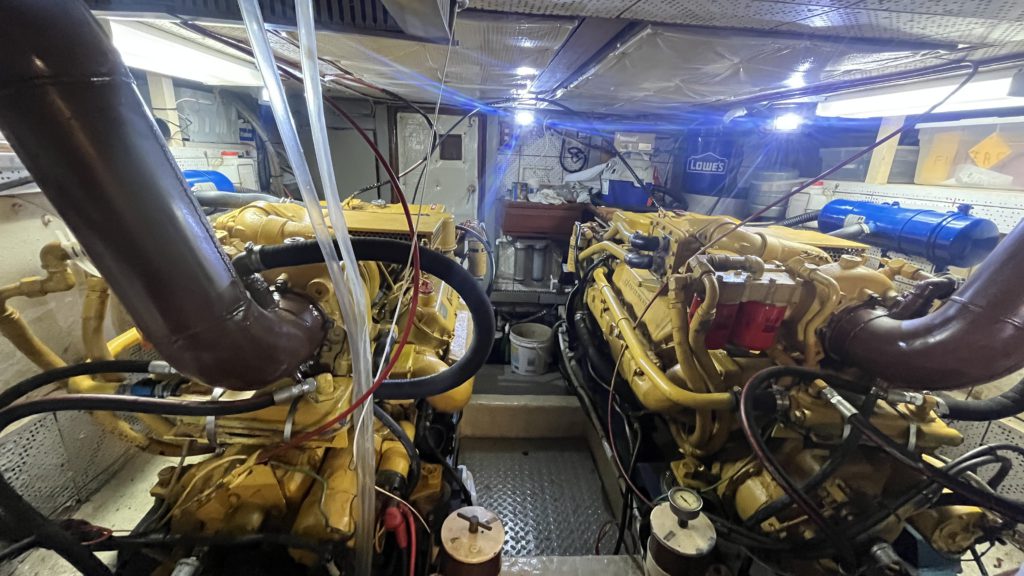
Easy Access to Parts and Service
One of the most significant advantages of the Caterpillar 3208 engine is the ease of sourcing parts. Given the engine’s widespread use across various industries and its long production run, parts are readily available through Caterpillar dealers and third-party suppliers worldwide. Whether you’re in need of a rebuild kit, replacement injectors, or even a new turbocharger, you won’t have to look far to find what you need.
Moreover, the engine’s design is well documented, and a wealth of knowledge is available both online and from service providers. This extensive support network ensures that whether you’re troubleshooting a minor issue or undertaking a full engine rebuild, help is always at hand.
Common 3208 Engine Problems & Failures
Itemized below are a handful of engine problems and malfunctions experienced by customers. If caught in time, many of these items can be alleviated.
- Camshaft, Crankshaft, Lifter/Roller, or Connecting Rod Failure
- Cracked Cylinder Head(s)
- Extreme Blow By
- Lack of oil or oil pressure
- Oil pan leaks
Popular Use In Trawlers and Motoryachts
- Grand Banks Trawlers
Models: Grand Banks 42, Grand Banks 46
Overview: Grand Banks is one of the most iconic names in the trawler world, known for their classic lines and solid construction. The 3208 engine powered many of the Grand Banks models, particularly the Grand Banks 42 and 46, offering reliable cruising at moderate speeds. - Hatteras Yachts
Models: Hatteras 42 LRC, Hatteras 48 LRC
Overview: Hatteras, a well-respected name in the yachting world, used the Caterpillar 3208 engines in several of their long-range cruiser (LRC) models. These yachts are renowned for their seaworthiness and long-distance cruising capability, making the 3208 a perfect fit. - Ocean Alexander Trawlers
Models: Ocean Alexander 43, Ocean Alexander 48
Overview: Ocean Alexander trawlers are known for their luxurious interiors and robust construction. The 3208 engines were often found in their mid-sized models, providing the power needed for comfortable cruising while maintaining fuel efficiency. - Mainship Trawlers
Models: Mainship 34, Mainship 40
Overview: Mainship trawlers are celebrated for their affordability and practicality. The Cat 3208 engine was frequently used in the Mainship 34 and 40 models, known for their reliability and ease of maintenance. - DeFever Trawlers
Models: DeFever 44, DeFever 48, DeFever 49, DeFever 53
Overview: DeFever trawlers, designed by the legendary naval architect Arthur DeFever, are known for their classic design and robust build. The 3208 engines provided the dependable power these boats needed for serious long-distance cruising. - Chris-Craft Yachts
Models: Chris-Craft 480 Catalina, Chris-Craft 501 Motor Yacht
Overview: Chris-Craft is a legendary name in the boating world, known for their stylish and well-crafted yachts. The Chris-Craft 480 Catalina, among other models, was often powered by Caterpillar 3208 engines. These engines provided the perfect blend of power and reliability for owners who sought both performance and luxury in their cruising experience. - Jefferson Yachts
Models: Jefferson 42 Sundeck, Jefferson 45 Motor Yacht
Overview: Jefferson Yachts offered a variety of models that paired well with the Caterpillar 3208 engine. These boats are known for their spacious interiors and solid construction, making them a popular choice for liveaboard and long-distance cruising. - Bertram Yachts
Models: Bertram 42, Bertram 50 Convertible
Overview: Known for their performance and durability, Bertram yachts often featured Caterpillar 3208 engines, especially in their mid-sized convertible models. These yachts are popular among sportfishing enthusiasts who demand power and reliability. - Viking Yachts
Models: Viking 44, Viking 48 Convertible
Overview: Viking Yachts, another big name in the sportfishing and cruising world, equipped many of their yachts with Cat 3208’s. These engines provided the necessary power for both competitive fishing and comfortable cruising.
These yachts and trawlers demonstrate the wide range of vessels that have utilized the Caterpillar 3208 engine, a testament to its versatility, reliability, and long-lasting performance in the marine environment.
Conclusion: A Reliable Choice for Marine Applications
The Caterpillar 3208 diesel engine remains a popular choice for marine use, thanks to its versatility, range of power options, and the ease with which parts can be sourced. Whether you opt for a naturally aspirated or turbocharged model, you’ll benefit from the robust design and proven reliability that Caterpillar engines are known for. For boat owners and operators seeking a dependable engine that delivers both power and longevity, the Caterpillar 3208 is an excellent choice.